PPE Waste: Keeping Your Disposal Methods Up to Standard
PPE Waste: Keeping Your Disposal Methods Up to Standard
Personal Protective Equipment (PPE) acts as the first line of defense for workers in healthcare, construction, manufacturing, laboratories, and countless other industries. However, the widespread use of PPE--such as masks, gloves, gowns, face shields, and respirators--has significantly increased PPE waste across the globe. Proper PPE waste disposal and PPE waste management are now more important than ever, both for protecting public health and maintaining environmental sustainability. This comprehensive guide aims to provide the most up-to-date advice, best practices, and legal standards related to proper disposal of PPE waste.
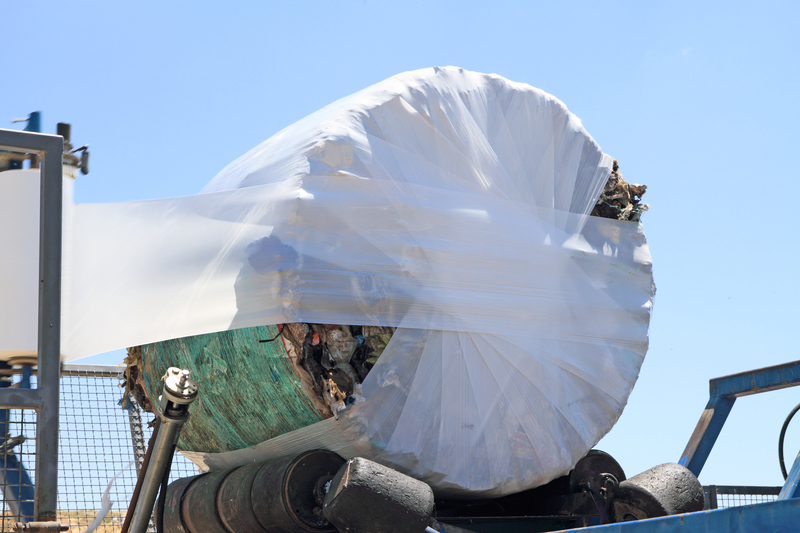
Why Proper PPE Waste Disposal is Essential
As the use of personal protective equipment became widespread during the COVID-19 pandemic, the world experienced an unprecedented surge in single-use PPE waste. With billions of masks and gloves used every day, improper disposal poses environmental, health, and legal challenges. Understanding why safe PPE waste disposal is crucial can help organizations and individuals prioritize better practices.
The Environmental Impact of PPE Waste
- Plastic Pollution: Most PPE is made of plastic-based polymers--such as polypropylene and polyethylene-- which take hundreds of years to decompose in landfills or marine environments.
- Risk to Wildlife: Discarded PPE like gloves and masks can entangle or be ingested by animals, leading to injury, illness, or death.
- Microplastics: As PPE breaks down, it can release harmful microplastics into waterways, affecting aquatic life and making its way up the food chain--posing a threat to human health.
Public Health Risks from Ineffective PPE Waste Management
- Pathogen Transmission: PPE contaminated with infectious materials can spread viruses, bacteria, or chemicals if not disposed of correctly.
- Workplace Hazards: Accumulated PPE waste can obstruct pathways, create slip or trip hazards, and serve as a reservoir for dangerous pathogens.
Legal and Regulatory Requirements for PPE Waste Disposal
Many countries have strict regulations concerning PPE waste, especially as it pertains to hazardous, infectious, or clinical waste. Organizations must be aware of national and local policies to remain compliant and safeguard their reputation.
Key Regulations to Consider
- Hazardous Waste Regulations: In the United States, PPE contaminated with hazardous substances must follow the Resource Conservation and Recovery Act (RCRA) standards. In the UK, it's regulated under the Hazardous Waste (England and Wales) Regulations 2005.
- Infectious Waste: Medical and healthcare facilities must adhere to guidelines from the Centers for Disease Control and Prevention (CDC), the Environmental Protection Agency (EPA), and the Department of Health (DoH) or equivalent authorities.
- Occupational Health and Safety: The Occupational Safety and Health Administration (OSHA) mandates safe disposal policies to protect workers from bloodborne pathogens and other risks.
Non-compliance can lead to hefty fines, legal claims, and lasting damage to organizational reputation. It is essential to keep PPE disposal methods up to standard at all times.
Different Types of PPE Waste and Their Disposal Needs
Not all PPE waste is created equal. The type of PPE, its potential contamination, and your local legislation will impact the preferred disposal method.
General PPE Waste
- Gloves, masks, and aprons used in non-hazardous environments can often be disposed of with regular waste, provided they are not visibly soiled with hazardous materials.
Infectious or Clinical PPE Waste
- PPE contaminated with blood, bodily fluids, or pathogens should be treated as 'clinical' or 'biohazardous' waste and disposed of in special yellow or red bags and bins before incineration or specialized treatment.
Chemical Contaminated PPE Waste
- PPE exposed to hazardous chemicals must be handled as hazardous waste and disposed of in accordance with specific chemical disposal regulations, often requiring specialist contracts for safe removal.
Sharps and Broken PPE
- Face shields, goggles, and broken equipment with sharp edges should be disposed of in puncture-resistant containers to prevent injury.
Best Practices for PPE Waste Management
Adopting effective PPE waste management strategies ensures safety, compliance, and environmental responsibility. Here are the key steps to keep your disposal methods up to standard:
Step 1: Segregation at the Source
- Use color-coded bins: Clearly label and differentiate bins for general, clinical, hazardous, and recyclable PPE waste.
- Training: Ensure all staff are trained to identify and segregate different types of PPE waste.
Step 2: Safe Containment
- Seal bins promptly: Never allow PPE waste containers to overflow. Ensure lids are kept closed to minimize exposure.
- Use appropriate bags: Clinical and infectious PPE waste should be double-bagged, using leak-proof bags where needed.
Step 3: Handling and Transportation
- Avoid manual handling: Minimize direct contact with PPE waste. Wear gloves and PPE when handling waste bins.
- Appoint responsible personnel: Only trained staff should transport hazardous or clinical PPE waste for treatment or disposal.
Step 4: Treatment and Final Disposal
- Incineration: Clinical and hazardous PPE waste is usually incinerated at high temperatures to prevent disease transmission.
- Autoclaving: In some cases, PPE waste may be sterilized via autoclaving before landfill disposal.
- Landfilling: General PPE waste, when uncontaminated, may be directed to municipal landfills.
Recycling and Sustainable Solutions for PPE Waste
The future of PPE waste disposal focuses on reducing environmental harm. Although most disposable PPE is made from complex plastics, recent innovations have introduced recycling programs and biodegradable alternatives.
Can PPE Be Recycled?
- Some recycling programs now accept single-use masks and gloves, provided they are not contaminated with infectious or hazardous materials--always check with local facilities first.
- Terracycle and other specialty services offer PPE recycling drop-off points in some regions.
- PPE waste can sometimes be converted into energy through advanced incineration technologies.
Eco-Friendly PPE Options
- Biodegradable PPE: Some manufacturers now offer gloves, masks, and gowns made of starch-based, compostable, or biodegradable materials.
- Reusable PPE: Where appropriate, opt for reusable face shields, gowns, and masks which can be laundered and sanitized multiple times, significantly reducing waste.
Educating Your Team on PPE Waste Standards
To successfully maintain up-to-date PPE disposal methods, organizations should invest in ongoing education and training. Staff awareness is vital to the proper separation, handling, containment, and documentation of PPE waste.
Key Training Topics
- Identifying types of PPE and appropriate disposal method for each
- How to use color-coded bins and when to change them
- Personal responsibility in waste minimization and environmental stewardship
- Response protocols for accidental exposure or spillage
- Legal obligations and company policy updates
Common Mistakes to Avoid in PPE Waste Disposal
- Throwing contaminated PPE into regular trash bins
- Failing to use proper labeling or color coding
- Overloading disposal bags or bins
- Neglecting staff training or refresher sessions
- Ignoring changes in local or national PPE waste regulations

Frequently Asked Questions on PPE Waste Disposal
Can used PPE be thrown away with general waste?
Not always. PPE contaminated with bodily fluids, chemicals, or hazardous materials must be treated as clinical or hazardous waste according to local laws.
What should I do if my workplace doesn't have separate PPE waste bins?
Speak to your facility manager or health and safety officer to institute compliant PPE waste management systems as soon as possible. Non-compliance can endanger staff and incur fines.
Are there fines for improper PPE disposal?
Yes. Environmental protection and occupational safety agencies can issue fines or sanctions for improper PPE waste handling, especially in healthcare and industrial settings.
Is incineration the only way to dispose of PPE?
While incineration is standard for clinical and hazardous PPE, some uncontaminated PPE can be recycled or sent to landfill. Reusable and biodegradable options are also increasingly available.
Conclusion: Keeping PPE Disposal Methods Up to Standard
The significance of responsible PPE disposal cannot be overstated. It is essential for employee safety, environmental protection, and legal compliance. As the use of protective gear grows, so too does our responsibility to uphold the highest standards of waste management. By educating teams, staying abreast of regulations, and considering sustainable alternatives, every organization and individual can play a role in minimizing the negative impacts of PPE waste.
Prioritizing up-to-standard PPE waste disposal is not just an obligation--it's a commitment to a safer and cleaner future.
