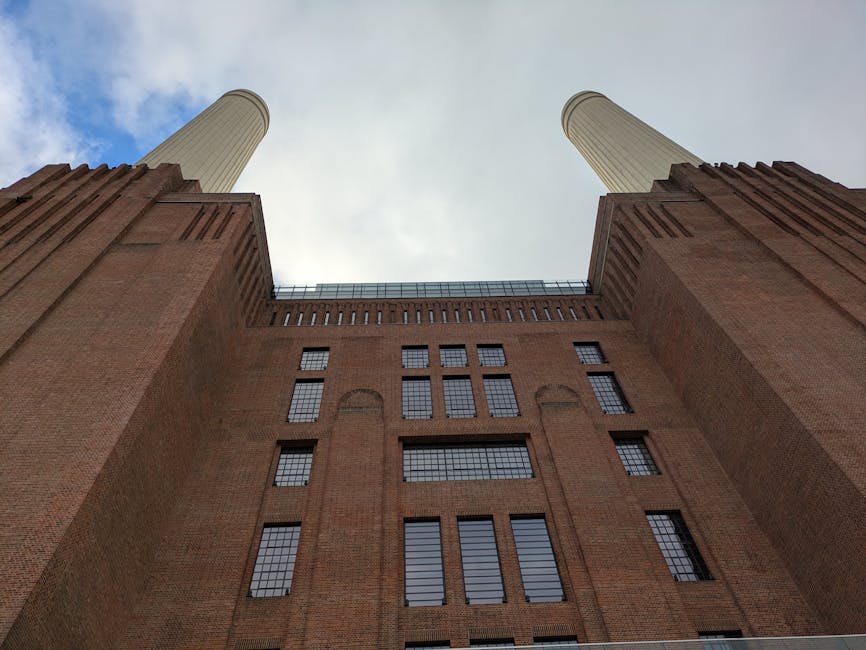
Battersea Power Station bulky rubbish collection options: a practical guide for homes, flats and local businesses
If you are dealing with bulky rubbish near Battersea Power Station, you probably want one thing: a straightforward way to get it gone without making the day more complicated than it already is. Large items are awkward in lifts, heavy on stairwells, and never seem to fit neatly into the gap you hoped they would. That is exactly why understanding Battersea Power Station bulky rubbish collection options matters. Whether you are clearing a flat, replacing furniture, tidying a storage area, or removing renovation leftovers, the right option saves time, stress, and a lot of back-and-forth.
This guide breaks down the realistic choices, how bulky waste collection usually works in London settings, what to check before booking, and how to avoid the common mistakes that turn a simple job into a messy one. You will also find a comparison table, a step-by-step checklist, and a few practical examples to help you decide what makes sense for your situation. Let's keep it simple, useful, and honest.
Table of Contents
- Why Battersea Power Station bulky rubbish collection options Matters
- How Battersea Power Station bulky rubbish collection options Works
- Key Benefits and Practical Advantages
- Who This Is For and When It Makes Sense
- Step-by-Step Guidance
- Expert Tips for Better Results
- Common Mistakes to Avoid
- Tools, Resources and Recommendations
- Law, Compliance, Standards, or Best Practice
- Options, Methods, or Comparison Table
- Case Study or Real-World Example
- Practical Checklist
- Conclusion
- Frequently Asked Questions
Why Battersea Power Station bulky rubbish collection options Matters
Bulky rubbish is a different problem from everyday bin waste. A broken wardrobe, an old sofa, a mattress, damaged shelving, or bags of mixed junk can block hallways, take up storage space, and make a home or workspace feel cramped very quickly. Around Battersea Power Station, where you often have apartments, shared entrances, concierge-managed buildings, lifts, loading bays, and limited parking, the practical challenge is not just disposal. It is access.
That is why the available bulky rubbish collection options need to be thought through properly. You are not only choosing a removal method. You are choosing how the job fits into your building, your schedule, and your tolerance for disruption. A good plan avoids complaints from neighbours, reduces the risk of damage to walls or lifts, and helps you get the space back sooner. Simple enough, but not always easy in real life.
There is also a trust factor. If waste is not handled properly, it can end up being dumped, mishandled, or split across different locations without a clear process. That is messy for you and not ideal for anyone else either. A reliable rubbish removal approach should feel organised from the start, with clear collection arrangements and sensible handling of the items you no longer need.
How Battersea Power Station bulky rubbish collection options Works
In most cases, bulky rubbish collection follows a simple pattern: you identify the items, choose the right collection method, arrange access, and make sure the waste is ready for uplift. The details matter, though. One missed step, like blocking a loading point or forgetting to separate reusable furniture from true waste, can slow everything down.
There are usually a few practical ways to organise collection. Some people book a one-off uplift for a handful of larger items. Others arrange a broader rubbish collection or waste collection when there is more than just one sofa or cabinet to shift. For full property clear-outs, a more complete waste clearance or even a tailored home clearance may be more efficient than treating the job item by item.
If your bulky waste includes built items, packaging, or renovation debris, it may overlap with builders waste. That distinction matters because mixed loads can affect how the waste is sorted, loaded, and processed. In plain English: a pile of old chairs is one thing; a pile of broken tiles, timber offcuts, and plasterboard is another.
For flats, access planning is often the biggest issue. Lift bookings, door protection, time slots, and neighbour-friendly timing all make a difference. In tighter spaces, services like flat clearance are often a better fit than trying to move everything yourself in stages. A stairwell and a large wardrobe are not natural friends. Truth be told, nobody enjoys that job.
Key Benefits and Practical Advantages
The best bulky rubbish collection options are not just about removal. They make the whole situation easier to manage. Here are the main advantages people tend to value most:
- Less physical strain: No dragging heavy furniture through narrow corridors or down flights of stairs.
- Faster turnaround: A properly arranged collection can clear space in a single visit.
- Cleaner surroundings: Less clutter means less dust, less tripping risk, and a more usable space.
- Better building etiquette: Careful access planning helps protect lifts, walls, and shared entrances.
- More flexible disposal: Many bulky collections can be combined with broader waste removal or rubbish clearance jobs.
- Reduced stress: You know the plan, who is handling it, and when it will be done.
There is also a quieter benefit that people sometimes overlook: peace of mind. When your bulky rubbish is scheduled properly, you stop thinking about it every time you walk past the spare room or the corner of the hallway. That mental relief is real. Especially after a move or refurb, when the place already feels upside down.
For businesses, bulky rubbish collection can help keep a reception area, back office, or storage room presentable. That matters more than many people think. A cluttered workspace has a way of making everything else feel a bit behind, even when the actual work is fine.
Who This Is For and When It Makes Sense
Battersea Power Station bulky rubbish collection options make sense for a wide mix of people. Some needs are obvious, others creep up quietly over time.
- Residents in apartments or flats: Ideal if you have large items that will not fit in standard bins or are too awkward for personal transport.
- Landlords and letting agents: Useful after tenant move-outs, end-of-tenancy clearances, or during refurbishments.
- Homeowners: Handy during room redecorating, garage tidying, loft clear-outs, or furniture replacement.
- Businesses: Good for offices, retail storage areas, and premises generating mixed bulky waste.
- Builders and contractors: Relevant when a project creates a combination of heavy and awkward waste items.
It makes sense when the waste is too large, too heavy, or too numerous for your normal disposal route. It also makes sense when the building conditions are tricky. If there is a concierge, loading bay, timed access, or strict lift etiquette, a proper collection service is usually the calmer option.
A practical example: a resident replacing two armchairs, a bed base, and a wardrobe might be able to manage with a single booked uplift rather than hiring a larger clearance. On the other hand, if the flat is being emptied for decorating, a broader house clearance or rubbish removal plan may be better. Different jobs, different tools.
Step-by-Step Guidance
If you want the process to go smoothly, a little preparation goes a long way. Here is a sensible order to follow.
- Sort what needs to go. Separate bulky waste from items that can be reused, donated, or kept. A quick sort now saves time later.
- Identify item types. Sofas, mattresses, white goods, timber, mixed rubbish, and renovation debris may need slightly different handling.
- Check access conditions. Look at parking, lift size, stair access, and any building rules. This is where many jobs slow down.
- Measure large items. If something is awkwardly long or heavy, a rough size check helps avoid surprises on collection day.
- Choose the most suitable service style. For a few items, a targeted uplift may be enough. For a fuller clearance, consider broader waste disposal or clearance support.
- Prepare the items. Empty drawers, tape loose doors, and remove small personal belongings.
- Confirm timing and access instructions. If the building requires a call on arrival or a booking with reception, make sure that is arranged in advance.
- Keep the route clear. Hallways, lifts, and entrance points should be open and safe. A minute spent shifting a plant pot can save ten later.
A small but useful tip: if you are removing a sofa, check whether a dedicated sofa removal option makes more sense than treating it as generic waste. Sofas are bulky, usually awkward, and somehow always heavier than they look. Funny how that works.
Expert Tips for Better Results
In our experience, the smoothest bulky rubbish jobs are the ones where the planning is boring. Boring is good here.
- Group similar items together: Put furniture in one area, mixed rubbish in another, and any recyclable material separately if possible.
- Protect common areas: Use blankets or covers where appropriate, especially in narrow hallways or shared lifts.
- Book a realistic time window: Rushing often causes mistakes, especially in busy buildings.
- Don't leave loose screws or small debris behind: These tiny things create the most annoying clean-up.
- Ask about awkward access in advance: A service can plan better if they know about stairs, restricted parking, or loading limits.
- Think beyond the obvious item: If you are removing a bed, there may also be a mattress, frame, packaging, and spare parts to deal with.
If the job includes old furniture, you may want to check whether furniture disposal is the right fit. That is especially helpful when you have bulky items that are still structurally intact but no longer needed. And if the property contains a garage full of odds and ends, a more specialised garage clearance can save a lot of sorting time.
One more thing: if you are clearing a flat, do not underestimate the value of good timing. Early mornings are often calmer in shared buildings, but only if the building rules allow it. Nice and quiet, before the day gets noisy with deliveries and people in a hurry.
Common Mistakes to Avoid
Most problems with bulky rubbish collection are preventable. They usually come down to one of these:
- Underestimating how much there is: "Just a few items" often turns into half a room.
- Forgetting access restrictions: A collection plan is no use if the vehicle cannot stop nearby.
- Mixing different waste types without checking: General rubbish, building waste, and reusable furniture may not all be handled the same way.
- Leaving the items unprepared: Loose contents, hidden drawers, or items still filled with personal belongings slow everything down.
- Assuming all bulky waste is identical: It isn't. A mattress, a broken desk, and a bag of mixed household waste each create different handling needs.
- Booking too late: If you need the space cleared before handover, don't cut it close. That never feels great.
Another common slip is choosing the wrong service for a larger property clean-up. If you are clearing an entire home or a substantial part of one, a specific house clearance or home clearance may be more efficient than a standard one-off removal. The difference can be meaningful in both time and coordination.
Tools, Resources and Recommendations
You do not need complicated equipment for most bulky rubbish jobs, but a few practical things can make the process easier:
- Measuring tape: Helpful for checking doorways, lifts, and item dimensions.
- Strong gloves: Useful if there are rough edges, dust, or splinters.
- Dust sheets or blankets: Good for protecting floors and walls during movement.
- Marker pen and tape: Handy if you want to label what is going and what is staying.
- Basic screwdriver or Allen key: Useful if furniture needs partial dismantling.
- Phone notes or checklist: A simple list stops you forgetting the awkward small bits.
From a service standpoint, the most useful resources are usually the pages that match the waste type, not a generic one-size-fits-all approach. If you are dealing with a commercial space, office clearance and business waste services are worth considering. For mixed household and storage clutter, rubbish clearance can be a good middle ground.
And if you are just trying to understand the company behind the service before booking, it never hurts to review the about us page and the terms and conditions. Not glamorous reading, I know, but useful.
Law, Compliance, Standards, or Best Practice
For bulky rubbish collection in the UK, the main thing is to use a provider that handles waste responsibly and can explain how items will be removed and processed. You do not need to become a waste-law expert, but you should expect clear communication, sensible handling of materials, and appropriate care around recycling, reuse, and disposal.
Best practice usually includes:
- collecting waste from a safe, agreed access point
- avoiding damage to shared buildings and communal areas
- separating reusable items where appropriate
- handling different waste streams sensibly
- being transparent about what can and cannot be taken
If your items include anything unusual, sharp, heavy, or potentially hazardous, ask in advance how it will be managed. That is not being awkward. That is being sensible. Better to check once than to make assumptions later and have to redo the whole thing.
For households and businesses alike, the standard to aim for is simple: tidy collection, clear communication, and lawful disposal. If something feels unclear, ask for clarification before booking. A good service should welcome that.
Options, Methods, or Comparison Table
Here is a practical way to think about the main bulky rubbish collection options around Battersea Power Station:
| Option | Best for | Strengths | Possible drawbacks |
|---|---|---|---|
| Single-item bulky collection | One or two large items like a sofa, bed, or wardrobe | Quick, simple, focused | Not ideal if you have more than a few items |
| General rubbish collection | Mixed household clutter and smaller bulky pieces | Flexible and convenient | May not suit heavy renovation waste |
| Furniture disposal | Old tables, chairs, wardrobes, and seating | Good for large furniture removal | Less efficient for mixed waste loads |
| Flat clearance | Apartment moves, landlord clear-outs, or full flat declutters | Well suited to building access and shared spaces | Needs more planning than a single-item uplift |
| Builders waste | Refurbishment debris, rubble, timber, and mixed project waste | Good for post-work clean-up | Not designed for ordinary household items alone |
| House or home clearance | Whole-property or room-by-room clear-outs | Comprehensive and time-saving | Usually more involved than a basic collection |
As a rule of thumb, the more mixed your load is, the more valuable a tailored clearance becomes. If you only have a single bulky item, keep it simple. If the job has spread into several corners of the property, step up to a broader service. No need to overcomplicate it.
Case Study or Real-World Example
Picture a resident in a Battersea apartment who has just finished replacing a bed, a chest of drawers, and an old sofa. The items are awkward, there is a lift booking window, and the building has a quiet-hours rule that makes spontaneous dragging and bumping around a bad idea. The resident first thinks about shifting everything themselves, then quickly realises the sofa alone is a problem, never mind the rest.
In that situation, a sensible approach would be to sort the items by type, empty all drawers, confirm access times with the building, and book a service that can handle the mix in one go. If the furniture is the main issue, furniture disposal or sofa removal may be the cleanest fit. If the resident also has bags of packaging and miscellaneous clutter, then a broader rubbish service could be more efficient.
The real difference was not just the collection itself. It was the lack of faff. No endless carrying, no blocked corridor, no wondering whether the items would fit through the door on the second attempt. That is what people usually want in the end: one calm, organised visit and the relief of seeing the space open up again.
Practical Checklist
Use this before collection day:
- Confirm which items are going and which are staying
- Measure any oversized furniture or awkward pieces
- Check lift, stair, and parking access
- Tell building management if required
- Separate bulky items from loose rubbish
- Remove personal items from drawers, cupboards, and shelves
- Keep the route to the collection point clear
- Protect floors or walls if the route is tight
- Have a phone handy in case the crew needs access instructions
- Make sure the collection time fits your schedule and building rules
That sounds basic, because it is. But basic done well usually beats clever done badly.
Key takeaway: The best Battersea Power Station bulky rubbish collection options are the ones matched to your waste type, access conditions, and timing. A little planning upfront makes the whole thing smoother, safer, and far less annoying.
Conclusion
Choosing between the available Battersea Power Station bulky rubbish collection options is really about fit. One item? Keep it targeted. Several pieces of furniture? Use a furniture-focused solution. A full flat or house clear-out? Go broader. Building waste, office clutter, garage junk, or mixed rubbish each point to a slightly different answer, and that is perfectly normal.
The smart move is to look at the job honestly, think about access, and choose a service that matches the real situation rather than the idealised one in your head. That way, you avoid delays, reduce stress, and get your space back without drama. And sometimes, to be fair, that is worth more than anything else.
If you are comparing routes and want a simple next step, start by reviewing the most relevant service pages and the practical details that go with them. A few minutes of planning now can save a very long afternoon later.
Get a free quote today and see how much you can save.
Frequently Asked Questions
What are the main Battersea Power Station bulky rubbish collection options?
The main options usually include single-item bulky collection, general rubbish collection, furniture disposal, flat clearance, house clearance, and builders waste removal. The best choice depends on the type and volume of waste.
Can I book bulky rubbish collection for just one item?
Yes, in many cases you can. A single sofa, mattress, wardrobe, or similar item is often suitable for a targeted collection rather than a full clearance.
Is bulky rubbish collection suitable for flats near Battersea Power Station?
Yes. In fact, it is often the most practical choice for flats, especially where lifts, shared entrances, or limited parking make self-removal awkward.
What should I do before the collection team arrives?
Sort the items, remove personal belongings, clear the route, and check access arrangements such as lift bookings or parking instructions. A few minutes of prep can save a lot of hassle.
Do bulky collection services take furniture?
They often do, and furniture disposal is one of the most common requests. Sofas, beds, tables, chairs, wardrobes, and shelving are all typical examples.
What if my waste is mixed with building debris?
If the load includes rubble, timber, plasterboard, or other renovation materials, builders waste may be more appropriate than a general household collection.
How do I know whether I need waste removal or a full clearance?
If you have a few items, waste removal or rubbish collection may be enough. If you are clearing most of a room, flat, or house, a fuller clearance is usually better.
Can bulky rubbish collection help after a move?
Absolutely. It is a common use case after moving out, downsizing, or replacing old furniture that does not fit in the new space.
Is it better to choose sofa removal or general rubbish collection for one sofa?
If the sofa is the main item, sofa removal is usually the more focused and efficient option. If you also have other mixed rubbish, a broader collection may make more sense.
What are the biggest mistakes people make with bulky rubbish collection?
The most common mistakes are underestimating the amount of waste, forgetting access restrictions, leaving items unprepared, and choosing the wrong type of service for the job.
Can a collection include garage or office clutter as well?
Yes, if the provider offers the right service type. Garage clearance and office clearance are useful where the bulky items are part of a larger storage or workplace clear-out.
What is the best first step if I am unsure which option to choose?
Start by identifying the waste type and volume. Then think about access, timing, and whether the job is a one-off uplift or a broader clearance. If you are still unsure, the safest approach is to compare the relevant service options before booking.